



Υπόγεια Ρεύματα – Η Γη που Αφήνω: When quarantine becomes an opportunity
We listened to the latest work from Υπόγεια Ρεύματα titled 'Η Γη που Αφήνω', an album that acts as a magnifying glass on today's reality.
By Dimitris (Bari) Polyzois
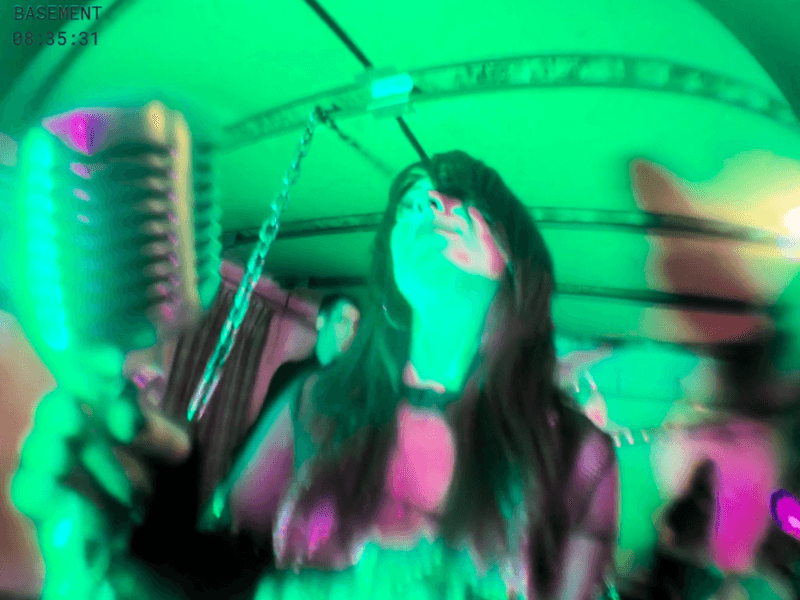
The truth is, I'd done the best possible preparation before listening to the album and putting my impressions down in this article! It was preceded by the band's concert at Θέατρο Βράχων on 7/7/21 (you can find the article about the concert here), during which I got the chance to hear part of their new album. So what could be better than the little teaser that Υπόγεια Ρεύματαso generously gave us?! A sneak peek at the album 'Η Γη που Αφήνω', an album that's going to keep us busy for a while.
First taste positive, an aftertaste that lingers
Leaving the Theatre, there was no way I wasn't going to get the album. In my mind there's always that old-school scene. Me on the couch, the turntable spinning, and total focus on the music filling the room. Work you're happy to do.
Leaving the concert I had a very positive impression. To be honest, going to the Theatre I thought I'd hear something closer to éntechno. Instead, I saw a new, improved, and more intense style. A different character that, in the end, came through in the album's tracks too. It seems this is the true character of Υπόγεια Ρεύματα. Where were you hiding this all this time, guys?! This is the Υπόγεια we want!
Quarantine couldn't stop the creative flood
For every new album I listen to, I always want to gather as much information as I can. I'm especially interested in the stuff that never makes it to the public! For that reason, I was lucky enough to talk to one of the key people behind the album, Πέτρο Πετρόπουλο (Polyphoniki Studio), who did the recording and mixing of the album.

Pre-production of the album took place during the lockdown. 'I can say, though, that this situation not only didn't get in the way, but actually helped the work get done carefully,' Πέτρος told me. 'That way, when we went into the studio, we had a clear picture of the character we wanted to achieve.'
A production tailored to quarantine's measurements
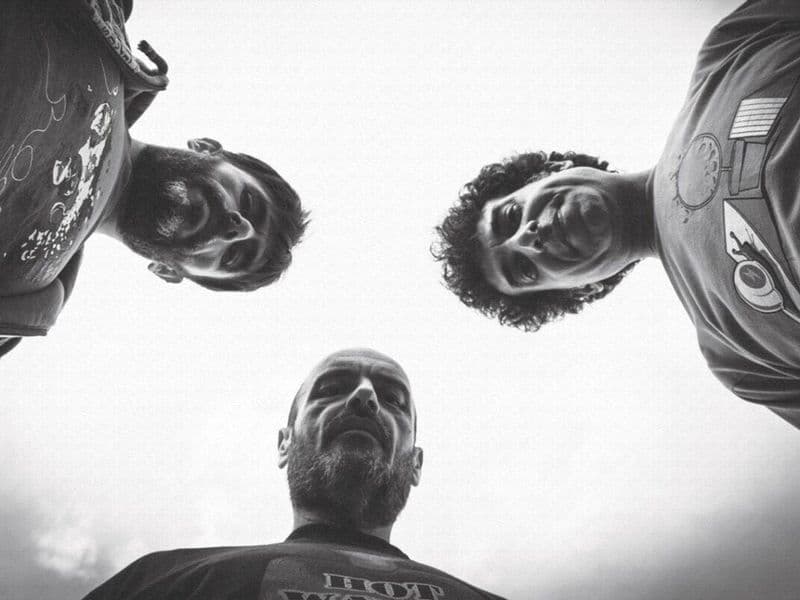
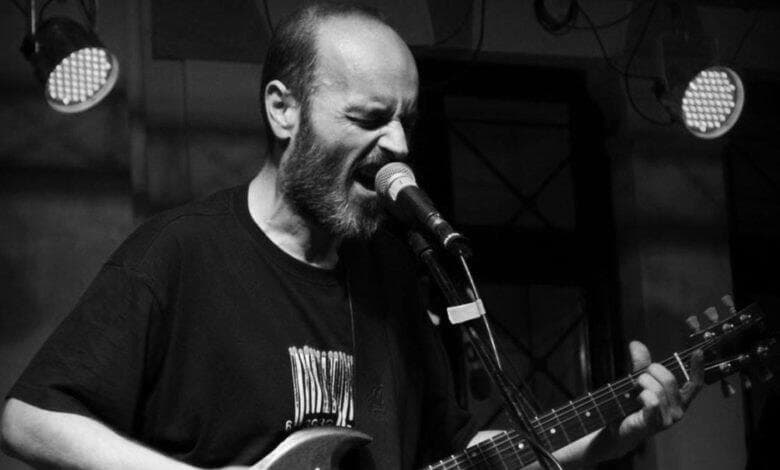
At the concert, I remember Γρηγόρης (Γρηγόρης Κλιούμης – electric guitar, cigar box (τζουράς), voice, vocals) talking about the difficulties they themselves went through during the lockdown period. He mentioned, specifically, that they couldn't even all rehearse together. A situation like that affected even an established band like Υπόγεια Ρεύματα.
The recording was done in a distinctive way. It started with Τάσος (Τάσος Πέππας – drums, keyboards, voice, vocals) and the drums. Here, once again, Πέτρος sheds some light: 'We recorded drums with Τάσος, and mixed them down to a single stereo channel. I did the mix entirely in analog, for 2 reasons. First, for the obvious one! Sound quality. Second, so there'd be no luxury of changing our minds! We'd decided that this sound on the drums would be the final one!'
And in the end, on top of this "sonic" environment set by the drums, guitars, bass, vocals, and all the other elements for the tracks were built up.
The most important thing was that nothing was recorded flat. Whoa! Hold on a second… What does that mean?!
Here we're talking about the limitations recordings used to have back in the day, when only a certain number of analog channels were available for recording. That meant that before recording each instrument, the exact sound had to be decided in advance, so there'd be no corrective tweaks later on. As opposed to today, where we usually start with a neutral recording and try to make improving moves to bring it up to high standards, recording over and over again.
That limitation may carry the fear that it might not be the most perfect sound that could come out, but it has something far more important: A specific character and point of view. This old school approach played its part in shaping the final result for the album 'Η Γη που Αφήνω'.
All the sounds come from amps, and of course there are no pre-recorded drum samples or vocal tuning.
On sound and style
The quality is beyond question. The way they worked shows enormous attention to the result. And I'd dare say that comes through to our ears too. From the album you can make out every single note! Every element is "up front," so the listener can hear every part of the track in full. From the soft tap on the high-hat, to the hardest hits on the kick drum.
Many of the elements used in the tracks could be called new and fresh ideas. 'Η Γη που Αφήνω' is an album on which the band shows it's not afraid to experiment with new elements. Funky playing, wild distorted parts, clean acoustic guitars, and subtle lead solos on the guitar side.
Vocally, we get a mix of soft sounds (like on 'Ώρες' and on 'Με παραχαραγμένη τη ζωή μας') and more intense, manifesto-like lyrics (like on 'Σκατό του Φιδιού'). The performance on 'Γκρεμιστή'is particularly impressive. Here, Γρηγόρης, entering the track (completely acoustic — just voice and guitar), sets off on a journey riding the well-known poem by Κωστής Παλαμάς.
Influences
And since we're on the subject of influences, I think it's a brilliant idea to set poems to music by Κωστής Παλαμάς ('Ο Γκρεμιστής') and Ανέστης Ευαγγέλου ('Με παραχαραγμένη τη ζωή μας'). The raw material for these tracks was excellent. But it was the performance that truly took them to another level. It pulled them out of dusty books and put them in our hands, in a form that can reach further and touch every age group more easily. Personally, Γκρεμιστής took me back to 'Ασημένια Σφήκα', a track I consider one of the band's best.
A huge part of the style is generously provided by Νίκος (Νίκος Γιούσεφ – electric bass, musical saw, electric guitar, vocals) and Τάσος. Perfectly locked in together, with excellent basslines and rhythms. I could point toΔιαγραφείτεandΜισή ζωήas sample tracks for the fantastic playing of these 2 musicians. Though of course, all the other tracks also have examples of rhythm and bass playing that should probably be taught in schools!
Special stories
The story behind the track 'Του Κόλλια'
The album includes the song "Του Κόλλια (Νίκος Καββαδίας)" which pays tribute to the poet, keeping his style and manner of writing, with lyrics by the endlessly creative and good friend Δημήτρης Μητσοτάκης. However, a special story goes along with this track. Its original title was 'Σπουδή Θαλάσσης', like the poem of the same name by Καββαδίας. However, Καββαδίας's wife wouldn't give permission for the project to go ahead, as she considered the track too modern. So Δημήτρης from "Ενδελέχεια" sat down one night and wrote this exquisite track, which might even be better than the original.
The story behind the track 'Με παραχαραγμένη τη ζωή μας'
Another special moment on the album is the song 'Με παραχαραγμένη τη ζωή μας', with poetry by the Thessaloniki-born poet Ανέστης Ευαγγέλου and music by Κυριάκος Σφέτσας. The track is part of Κυριάκος Σφέτσας's valuable archive. He'd set it to music years ago and kept it tucked away. He reached out to Υπόγεια, and so it became part of the new album.
At this point it would be quite unfair not to say at least a couple of words about Κυριάκος Σφέτσας, one of the most important Greek composers. Listening to his work, I couldn't help but be left with my jaw on the floor. We could easily say the composer was a pioneer of Jazz Fusion music in Greece. Impressive compositions and rhythms that we've surely heard again in later works by foreign artists. Let's take a taste!
The story behind the track 'Ο Γκρεμιστής'
What more is there to say about the well-known poem by Κωστής Παλαμάς; Ο Γκρεμιστής is a fiery, brave, daring poem… a hymn to catharsis, an ode to rebirth. The poet perhaps startles us with his passionate command: "Tear it down!" but that command is nothing more than the poet's need to create.
From the very first line, the poet stresses that the role of "the demolisher" is inseparable from that of "the builder" — tearing down is the precondition for creation, but the intention to create is also the precondition for the demolisher.
For the poet, demolition isn't some irrational byproduct of violent nihilism, but an act that requires faith, "mind and heart and hand." In other words, with the command "Tear it down!" the poet isn't urging blind (and material) destruction, but the demolition of the ugliness and falsehood that now dominates almost everything human, "in towers and in temples."
In today's era of decline and crisis, the words of Παλαμάς's poetry sound rather timely, and they highlight both the irrational nihilism of violence of any kind, and perhaps our foolish and ultimately painful insistence on building on the foundations of ugliness and falsehood (sweeping them under the rug…).
The crisis runs deep, both political and social. The relationship between society and the state, as well as its institutions (political and otherwise), are ailing. The systems that represent them are sadly worn out (it doesn't matter if fully or partially), but catharsis will only come through rebirth.
The truth of the institutions of Democracy and society cannot be torn down (no matter how much some people claim it can…), but its revelation and realization requires tearing down the lie and all who carry it.
But to be the builder, you also have to be the demolisher, and that, of course, takes courage.
On subject matter
Here we have a mirror of the reality we've been living, and still live, in recent years. 'The nation is turning fascist…', as Υπόγεια put it. Every track carries the political weight it should. Besides, the rock scene has always had, and still has, one singular goal: Stick it to the MAN!
The tracks show how society is evolving through the effects of lockdown and the changes to our daily lives. By weaving in these timeless poems, the musical puzzle is completed. A puzzle that makes us think about the power of music.
Collaborators who left their mark
Making the album, of course, involved collaborations that helped strengthen the diversity of the tracks. From Δημήτρης Μητσοτάκης who wrote the lyrics for the track 'Του Κόλλια', to Ανδρέας Πολυζωγόπουλος (trumpet), Τηλέμαχος Μούσας (electric guitar), Πέτρος Πετρόπουλος (electric guitar) and Κυριάκος Σφέτσας who backed the band on the track 'Με παραχαραγμένη τη ζωή μας’.
On recording and mixing, Πέτρος Πετρόπουλος (Polyphoniki Studio) put in his part, while on mastering, Γιάννης Χριστοδουλάτος (Sweetspot Productions) rounded things off.
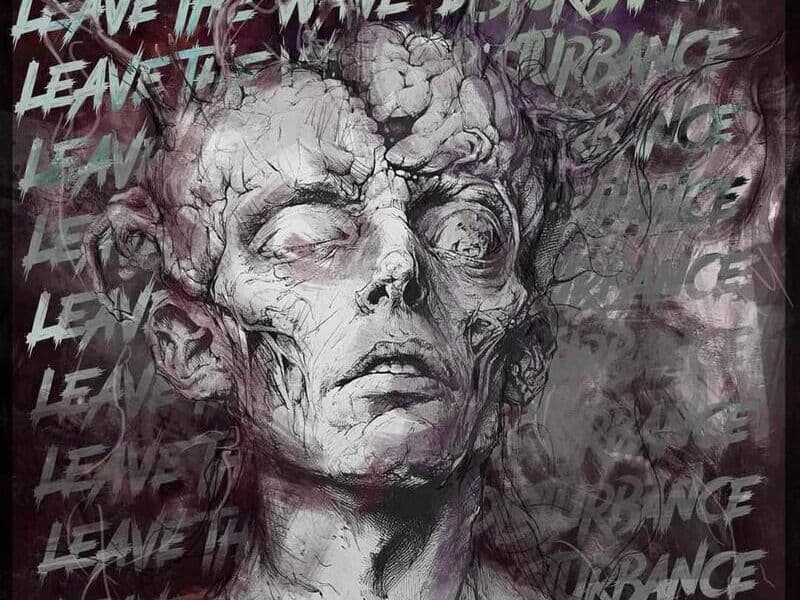
Finally, Ήρα Σταματοπούλου handled the Design & Artwork.
In conclusion
‘Η Γη που Αφήνω' is definitely one of the best works by Υπόγεια. It's an album that could mark an important point in shaping the band's sound. As I mentioned earlier, I feel the band is introducing new elements into its sound and experimenting. This undertaking should be called an outstanding success. We're eagerly waiting for the band's next concert and, of course, new material.