


The Band: An unknown band with history
The classic blend of The Band's music makes you taste the mood of the era. In 1968, The Band released their debut album, Music from Big Pink, and rock'n'roll hit pause.
By Dimitris (Bari) Polyzois
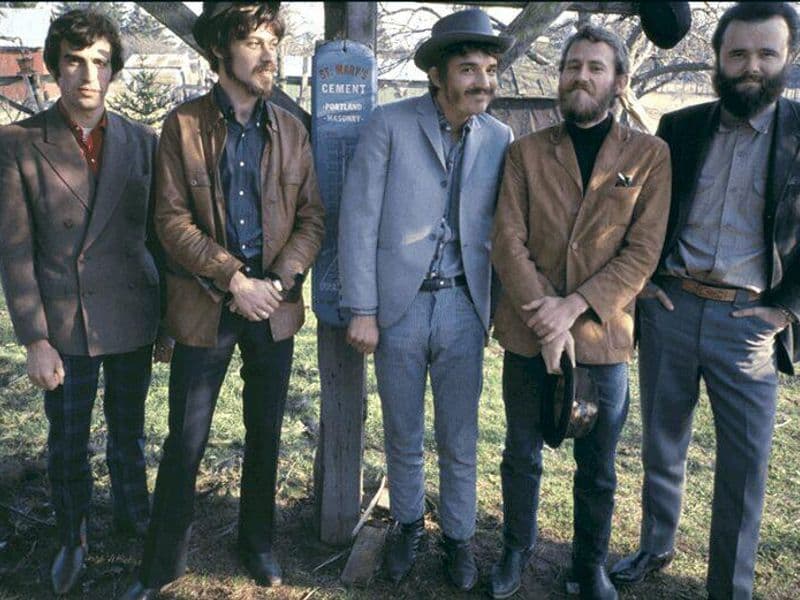
The (mostly) Canadian quintet had found fame as Bob Dylan's backing band during his controversial "electric" world tour of 1966. Afterwards, they holed up in Woodstock, New York. They started crafting songs that combined myriad North American styles into a timeless sound that owed nothing to the intense psychedelic revolution raging at the time.
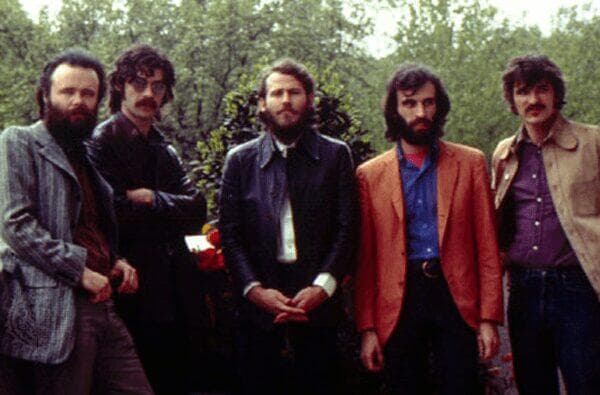
As influential as it was, 'Big Pink' was a bit of a hodgepodge album. Too many writers, no real lead singer, and odd narratives. The Band's next record (recorded in the poolhouse of Sammy Davis Jr.'s home) would be a far more focused affair.
Thanks to the band's leader, guitarist Robbie Robertson, The Band would write all their songs within a conceptual framework of "old, weird America." Vivid, emotion-laden snapshots of simple lives threatened by civil war, famine and misfortune. It all seemed to quietly echo the ambivalence of an America then caught between the idealism of Woodstock and the horror of the Vietnam war.
The Band: Seasoned Musicians
By this point, being seasoned musicians, the whole quintet that makes up The Band is the very picture of dignity and economy. Subtle funk and soul notes are woven somewhat into the rootsy fabric of their sound. Like the Beatles, they could boast a trio of stellar singers. Drummer Levon Helm, a master of tension, bassist Rick Danko, and pianist Richard Manuel, a singer with a molasses tone to match Ray Charles.
With ease, Robertson picked apart their vocal idiosyncrasies like a film director, matching "character" to narrative. This showed in their songs. In 'The Night They Drove Old Dixie Down' and in Louiziana with its theme of pride, escalation and civil war. In 'Up On Cripple Creek', the Arkansan Helm has full license to embellish, while Danko creates a delectable American gothic quality in the melancholy.
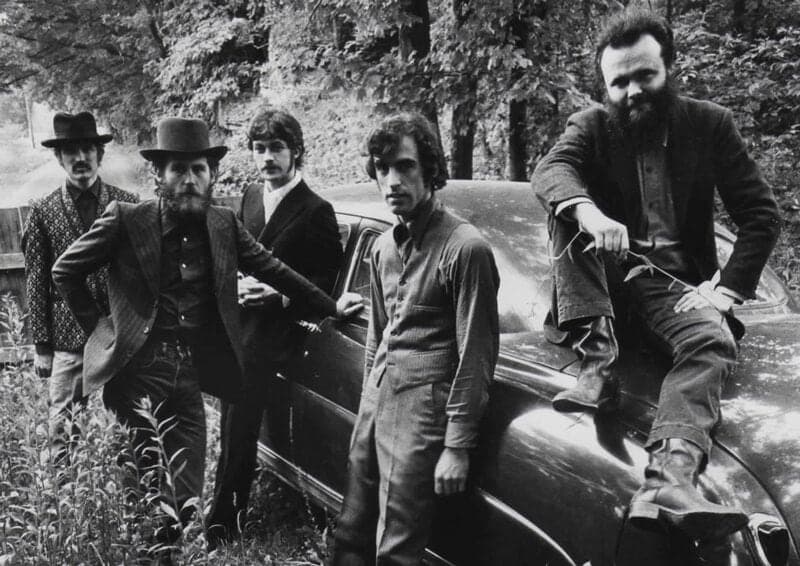
Drugs, touring and showbiz's blinding glitterball would inevitably erode the band's mojo. In the late '60s, the most cerebral strand of rock'n'roll was on the rise. Testing the American condition by stirring up the soup of the country's past.