



The Spirit of Neil Peart
The virtuoso hero of Rush, Neil Peart, lived by his own rules, right to the end. For the first time since his death, his colleagues and his widow discuss his legacy and his final years.
By Dimitris (Bari) Polyzois
Neil Peart had reached just 10 months of retirement before he started feeling that something wasn't right. For once, words were the problem.
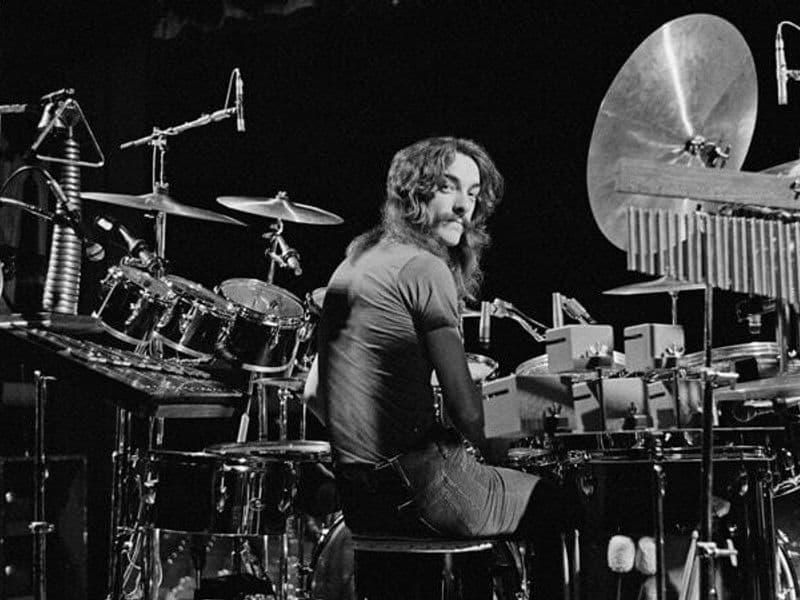
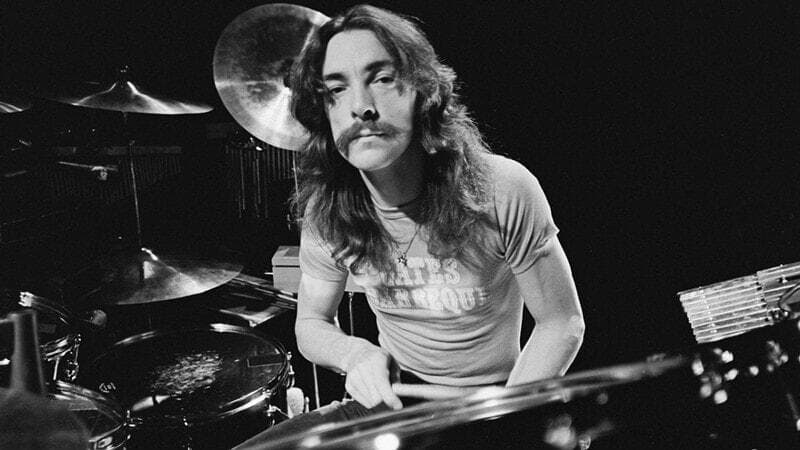
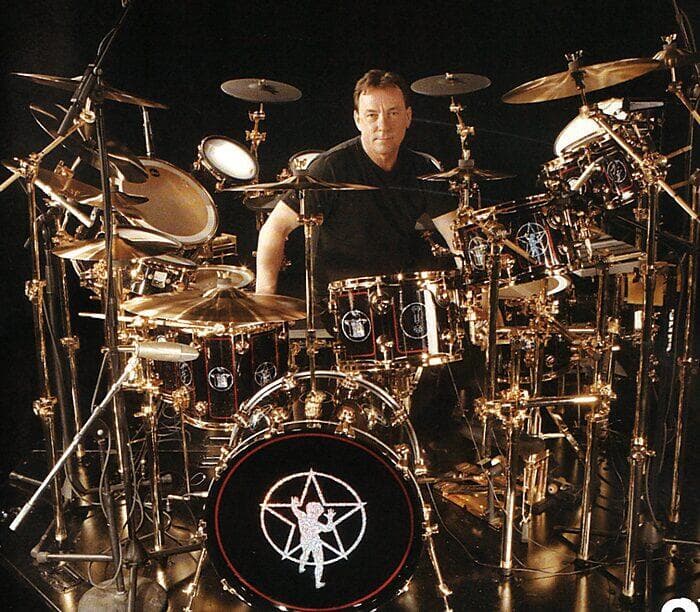
Peart, one third of the Toronto band Rush, was one of the most adored drummers in the world. Unleashing his relentless skills on rotating drum kits, which grew to cover what seemed like every percussive possibility known to human invention.
Before Rush rehearsals, he'd practice alone for weeks to make sure he could nail his parts. His huge hands were muscular. But he was also the sole brains behind Rush's uniquely cerebral and philosophical lyrics. Author of several books, specialising in memoirs tied to motorcycle journeys.
Peart kept notes, journals, and sent emails that read more like Victorian-era correspondence. He wrote pieces for drum magazines and published essays and book reviews on his website. Despite ending his formal education at 17, he never stopped working towards a lifetime of learning. He tends to use friends' birthdays as an excuse to send "a whole story about his own life," as Rush singer-bassist Geddy Lee puts it, with a laugh.
Despite ending his formal education at 17, he never stopped working towards a lifetime of learning.
Peart put down his drumsticks after Rush's final show in August 2015, just before his 63rd birthday. He intended to carry on his career in composing, something that required less physical energy than hammering a snare drum.
He envisioned a quiet life. Working nine to five in what he liked to call his "man cave." It was a plush garage for his collection of vintage cars, just a block from his home in Santa Monica, California. He spent the rest of his time with Carrie Nuttall, his wife of 20 years, and his daughter Olivia, who adored him. He planned to spend summers with them at his stunning seaside property in Quebec.
He intended to carry on his career in composing, something that required less physical energy than hammering a snare drum.
Before Rush's final tour began, Peart got a taste of the everyday existence he wanted. It hurts to go back to it. "It was very hard for me to pull myself away from a satisfied home life and a satisfied creative life," he told me in 2015, sipping Macallan on ice in his garage shortly before the tour. "I'd wait until Olivia went to school in the morning, and then I'd come here. I'd go to lunch and come back here. Again, I don't take it for granted."
After the tour, when Neil Peart wasn't working in his cave, he volunteered at Olivia's school library. "Olivia was thrilled," says Nuttall. "She could see Dad at school all the time." In the evening, he'd come home and cook family dinners. "He was living his life exactly the way he wanted, for the first time in decades," she says. "It was a very sweet, contented time… and then the gods, or whatever else you want to call them, ripped it all away from him."
He was living his life exactly the way he wanted, for the first time in decades
"I feel so bad," says Lee, "that he had so little time to live the thing he fought so hard to get."
Neil Peart started doing newspaper crossword puzzles in the early seventies. He traveled to England from his native Canada to make it as a drummer. He ended up managing a souvenir shop.
Peart kept his worries to himself, but by summer he was showing signs of what Nuttall assumed was depression. The subject came up with Danniels during a visit to the manager's home in Muskoka, Ontario. "I was confused," Danniels recalls. "'He won. He got his freedom. He got a huge paycheck from the last tour. That's not depression.'"
In late August, Nuttall and Peart's mother noticed he was unusually quiet. When he spoke, he started fumbling his words. He rushed to a doctor, and after an MRI, ended up in surgery. The diagnosis was grim: glioblastoma, an aggressive brain cancer with an average survival time of about 12 to 18 months.
Genetic tests on Peart's cancer showed it was unusually treatable, and Peart lived until January 7, 2020. More than three years after his diagnosis, which, in the case of this disease, marked him as a "long-term survivor."
"Three and a half years later," says Lee, "he was still smoking on the porch. So he said a big 'fuck you' to the Big C for as long as he could."
In the case of this disease, it marked him as a "long-term survivor."
A few weeks later, Neil Peart sent his friends an email with the news. "I have a brain tumor. I'm not joking."
Lifeson was on a golf course when he got the message. "I think I started crying right there," he says. For Lifeson and Lee, the priority became finding chances to see their friend. He lived far from the band's home base in Toronto.
Peart faced his illness with heroic strength and stoicism. Even as he fought to survive. "He was a tough guy," says Lee. "Obviously, he'd get frustrated. But he had to accept so much crap. He's got a gift for taking bad news. And he was okay with it. He was going to do his best for the sake of his family. And he did incredibly well. … He accepted his fate, certainly more gracefully than I would have."
Peart faced his illness with heroic strength and stoicism.
There was some aura of death around Peart. He wrote song after song about the randomness of the universe. But then he saw the events of his own life prove it right. In 1997, his daughter Selena died in a car accident on her way to college. His wife Jackie died of cancer shortly after. Peart's loss was so great that, despite his rationalism, he couldn't help wondering if he had somehow been cursed.
"My daughter died at 19, and my wife died at 42. I'm 62 and I keep going," he told me in 2015. That's how he discussed his refusal to consider quitting smoking. "How many people have died younger than me? How many drummers have died younger than me? I'm already on bonus time. … Something's going to kill me. Look, I ride motorcycles. I drive fast cars. I fly a lot of planes. It's a dangerous life out there. I like what an old-timer once said about motorcycles: 'If you love your motorcycle enough, it'll kill you. The trick is to survive long enough that something else kills you first.'"
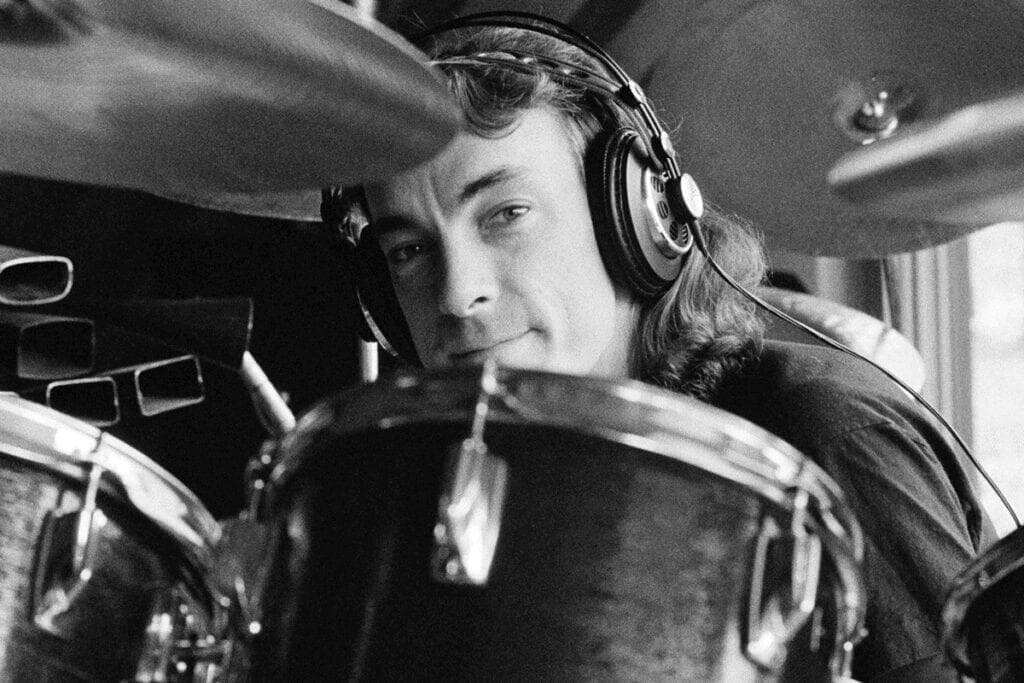
Despite his courage, he couldn't come to terms with the idea of leaving his daughter behind. "It bothered him terribly," says Danniels. "It bothered him that it had come full circle. At first, he felt the pain of losing a child. And now he was leaving a child behind."
Despite his courage, he couldn't come to terms with the idea of leaving his daughter behind
The last time Lee and Lifeson saw their Peart, they managed to have one last, wonderful dinner together with him. "We laughed an insane amount," says Lifeson. "We told jokes and remembered different shows and tours and crew members and the kind of things we always did. It felt so natural and complete."
Neil Peart had some degree of decline as the illness progressed, but "really, right up until the end, he was there," says Perry. "He was completely there." (A report after his death that Peart was confined to a wheelchair and unable to speak was completely false.) He kept up his routine, going to his man cave every day. He saw friends there. He even had one last birthday party in the fall of 2019.
When Neil Peart could no longer drive, his friends Michael Mosbach and Juan Lopez helped him out. "I'm really so grateful and proud," says Nuttall, "that I was able to give Neil the ability to still do all those things he wanted to do, really right up to the end. But I couldn't have done it without Juan and Michael."
"I'm really so grateful and proud"
Peart never played drums again after Rush's final show. But there was a drum kit in his house. It belonged to Olivia, who took lessons and pursued the instrument seriously. Peart's parents had let him set up drums in their living room, and he did the same for Olivia. "Neil said right away, 'She's got it,'" says Nuttall. "She inherited what he had himself. And of course, that thrilled him. He made a huge effort not to make her nervous. He wouldn't sit there and watch her while she played. He'd be out of sight, but he'd be listening."
Peart's death, followed by a global catastrophe, made for a dark and surreal year for his friends and family. In a world frozen in place, it was hard to process the grief. "It doesn't feel like it was that long ago," says Lee. There was more drama in the Rush camp. Lifeson fell seriously ill in March and was hospitalized for a few days and put on oxygen. His Covid-19 test came back negative, but his flu test came back positive. He also lost his sense of taste and smell while he was sick. Lifeson has now fully recovered.
I'm still proud of what we did
Even as they mourn their friend, Lee and Lifeson are adjusting to his being gone. "That's over, right? That's over," says Lee. "I'm still proud of what we did. I don't know what I'll ever do again in music. And I'm sure Al doesn't either, whether it's together or whatever. But Rush's music will always be part of us. And I'd never hesitate to play one of those songs in the right setting. But at the same time, you have to respect what the three of us, along with Neil, built together." "He was amazing," says Lee. Neil Peart had finished his work. Holding to his standards, he never betrayed his 16-year-old self. He's still playing at the top of his game. "It felt like a good job," says Scannell, who stayed with him that night. "And who could deny that?"