


John Mayall and the story of the Bluesbreakers
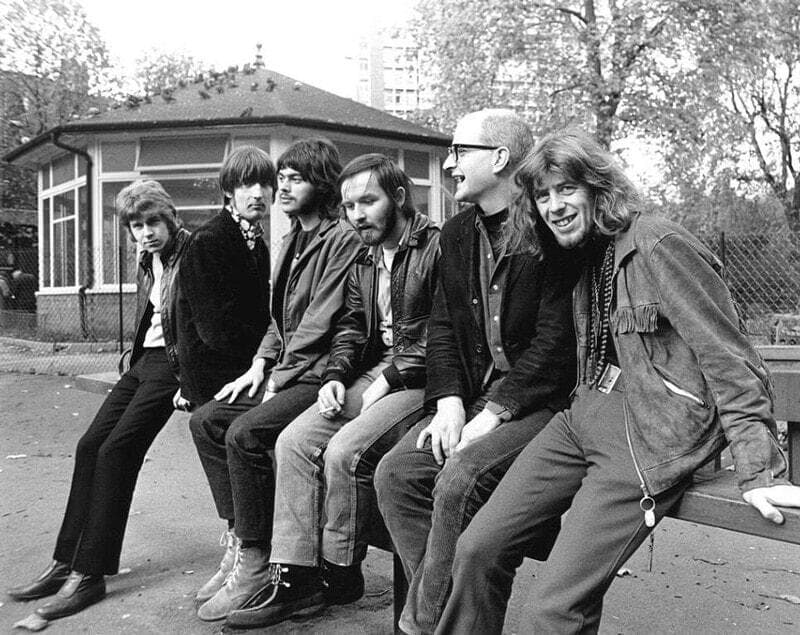
The legendary band Bluesbreakers, featuring John Mayall, Peter Green, John McVie and Mick Fleetwood, who never made a studio record and split up after just 3 months. Could've been a comet! That's kind of how you can picture the Bluesbreakers.
By Dimitris (Bari) Polyzois
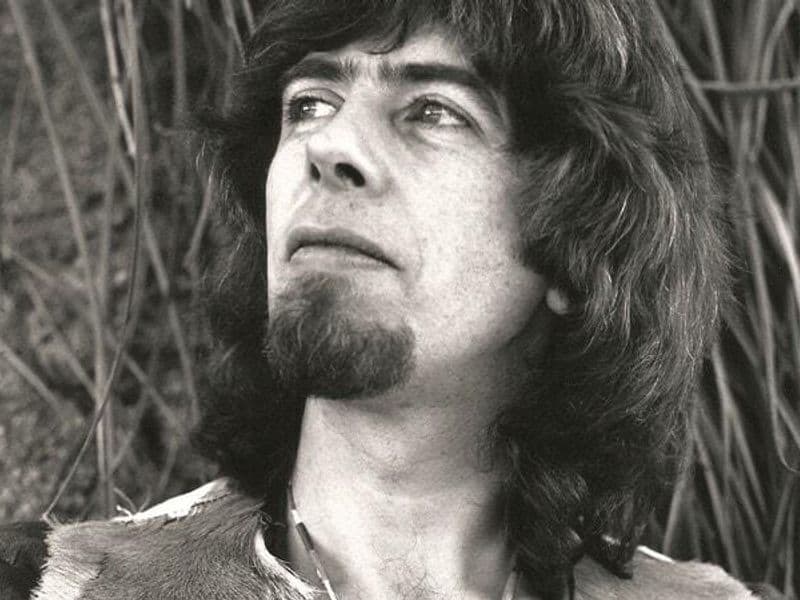
With members that were legends John Mayall, Peter Green, John McVie and Mick Fleetwood, success was surely a given… Or was it?! The band split up after just 3 months, without a single album to its name…
Now, with the excavation of the Dutch artist's live bootlegs, the legendary foursome comes back to life. "These tapes are a piece of history," John Mayall tells The Blues. "And Peter never played better…"
London, February 1, 1967. The Ram Jam Club lives up to its name. Amid the smoke and the packed bodies of the crowd, nobody notices the Dutch teenager with the oversized tape recorder. He's holding a microphone to capture the set from John Mayall's Bluesbreakers.
"It was so packed," Tom Huissen recalls, "and everyone was smoking. But this was the best music I'd ever heard in my life. So for me those clubs were paradise. The crazy thing is, at the time, I never thought about the impact it would have on the world. Only later did I realize, 'My God, I saw the Bluesbreakers with Peter Green, John McVie and Mick Fleetwood'. For me, it was the best line-up John Mayall ever had… "
Nobody notices the Dutch teenager with the oversized tape recorder.
Fast-forward to the end of summer 2014, and a breakfast meeting in the San Fernando Valley, California, between John Mayall and his producer Eric Corne. The business at hand was John Mayall's next studio album – released later that year – but the bandleader had something up his sleeve. Nearly half a century after Huissen had followed and taped Mayall's Bluesbreakers at five clubs across London, the Dutchman and his roommate had struck a deal over the bootlegs. Thus began the release of Live In 1967.
"We went out for breakfast at a place in the valley," Corne tells The Blues. "Then John surprised me and said, 'Come on, I've got these old tapes with Fleetwood Mac. Want to work on them?' I think he just found it exciting, because he's so proud of that band. And I was too! It's wonderful that this album proves they lived up to their reputation."
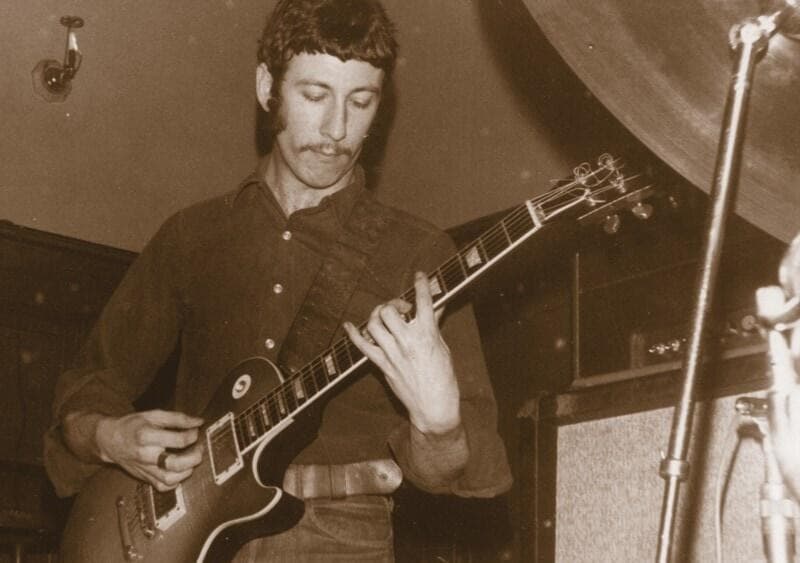
There's suddenly a case to be made that the guitarist found his ultimate platform after drummer Aynsley Dunbar was replaced by the sympathetic figure of Mick Fleetwood.
Forget Clapton and the 1966 "Beano" album. For Bluesbreakers connoisseurs, the most exciting period began when the wonder-kid from Surrey split from Cream and Peter Green, his sole apprentice, officially entered the fray. "Does Peter's playing live up to his reputation? Oh, yes. People talk about those three guitarists – Eric, Peter and Mick Taylor. They were all very distinct and don't sound like anyone else. We've heard a lot about Mick and Eric. Maybe, though, much less about Peter when he was at his peak."
Previously, Green's tenure with the Bluesbreakers was best represented by the 1967 studio album, A Hard Road (on which Mayall and McVie also play). Now, with the excavation of Huissen's tapes, there's suddenly a case to be made that the guitarist found his ultimate platform after drummer Aynsley Dunbar was replaced by the sympathetic figure of Mick Fleetwood. "Peter didn't quite fit with Aynsley Dunbar's playing style," Mayall reflects. "Even though A Hard Road is excellent proof of how that band sounds."
"Aynsley was very technical, he could do anything," Huissen notes. "Then Mick Fleetwood came along. The first time I heard him play, I remember going up to Peter and saying, 'Why did Aynsley leave? I mean, for God's sake – Mick Fleetwood?' Then Peter told me something I'll never forget. 'Mick has the feel, and that's what matters.' It's so true. I can honestly tell you Mick Fleetwood is my favorite drummer. The way he plays is truly incredible."
I can honestly tell you Mick Fleetwood is my favorite drummer.
John Mayall, Peter Green, John McVie, Mick Fleetwood. Blink and you'd have missed them. For just three months in early '67, this mythical line-up hit what was arguably the most exciting blues circuit in history. "In those years," John Mayall notes, "we worked seven nights a week and played doubles on weekends. There was a lot of camaraderie in that line-up. A lot of humor. Otherwise, the music wouldn't have sounded right. Sometimes we went overboard, but that happened with every band back then."
"Sometimes we went overboard, but that happened with every band back then."
John Mayall
"Those clubs [on the tapes] were all part of our weekly grind," he adds. "Those venues were already well-known: they'd been running trad-jazz for years. Packed with jams. There wasn't even room to sit down. Everyone had a good time, having a drink and just enjoying the music. It was part of it."
Huissen was among them. "I was a very difficult kid," the 65-year-old recalls. "There was only one thing my parents and I agreed on. I had to leave home, as soon as possible. I knew from the radio and the magazines that something really big was happening in London. So I thought, 'That's the place I want to go.' And I never regretted it. It really was the best time of my life. I'd go to a gig on Tuesday, another on Thursday. I saw Cream's first shows, Jimi Hendrix's first show at The Marquee…"
I knew from the radio and the magazines that something really big was happening in London.
"Maybe 'friends' is a big word," he considers. "But after the gigs, we'd sometimes go back to John's flat. I remember one time, John was pissed off because I went to see The Spencer Davis Group instead of his band! I was quite close with Peter. He was really the kindest and friendliest guy you could imagine. In 1967, there was nothing tragic about Peter Green."
The Dutchman wasn't just an observer. "There was a group of eight of us – including Danny Kirwan – who'd go from gig to gig. It wasn't some strategic plan. We just thought it would be great if, after the show, we could listen to the music again. I had a job at some office, so I had to pay for the tape recorder in installments. After gigs, we'd go on the subway and play the tapes, watching these crazy young people making a big racket. Then the batteries would run out and we wouldn't have any more music!"
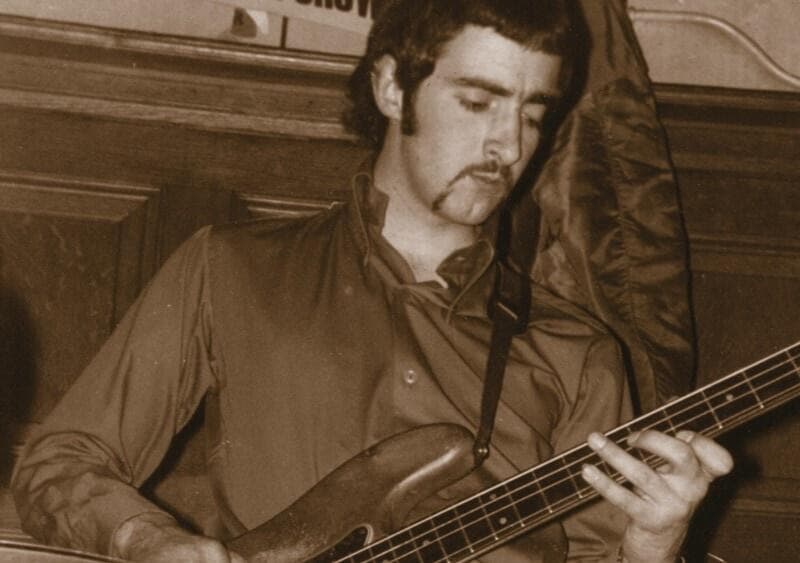
I couldn't keep quiet, because the music was so amazing!
Between February 1 and May 5, 1967, Huissen recorded five Bluesbreakers club shows, including the Ram Jam in Brixton, Klooks Kleek in Hampstead and the Marquee in Soho. "I'd definitely stand in the middle, because there was great balance in the band. There was no PA at the time. There was just one microphone sticking out of the tape recorder, and on the original tapes you can hear me shouting, because I was closest to the mic. I couldn't keep quiet, because the music was so amazing."
Given his close relationship with the band, Huissen's launch from these five shows wasn't as covert as it's sometimes been made out to be. "John knew I was doing it. After gigs, I'd go to his flat, and that's how he heard those tapes. And not only had he heard them, he'd also copied them. So he already had these tapes. But it all got lost in the fire, when his house burned down in Los Angeles. It was a terrible tragedy."
For Green fans in particular, Live In 1967 is a real treasure. "These tapes show Peter at his best," Mayall nods. "I don't think he ever played better. It's an amazing achievement to actually have such a recording."
I don't think he ever played better. It's an amazing achievement to actually have such a recording.
"Peter had a lot of work cut out for him," Huissen adds. "He had to replace Eric, who was 'God' in those days. But after a few shows, that idea was gone, because he was so amazing. What I remember about those shows is that nobody asked for Eric. They accepted Peter right away. The way he played… it's simply phenomenal."
John Mayall: "I think the whole album captures that live freedom. You know, the improvisation and the energy that gets passed on to the audience. The audience is part of it. They're the ones who push you to take off. I think live performances are very different from studio recordings. There's so much more freedom. Connecting with the audience and exploring the music with total freedom is all that matters."
"If you look at the photo of Peter inside the CD, with his eyes closed," Huissen continues, "that's how he played at those shows. He was so deep into the music. You can't play like that and not care. The intensity of those images tells the story. I remember so many tracks made me cry. We'd get lost in the music together."
"I'd never heard Mick Fleetwood play with the Bluesbreakers. So hearing the chemistry between all four of them was really powerful. I was blown away by the chemistry between Mick Fleetwood and John McVie. Fleetwood's drumming is so confident."
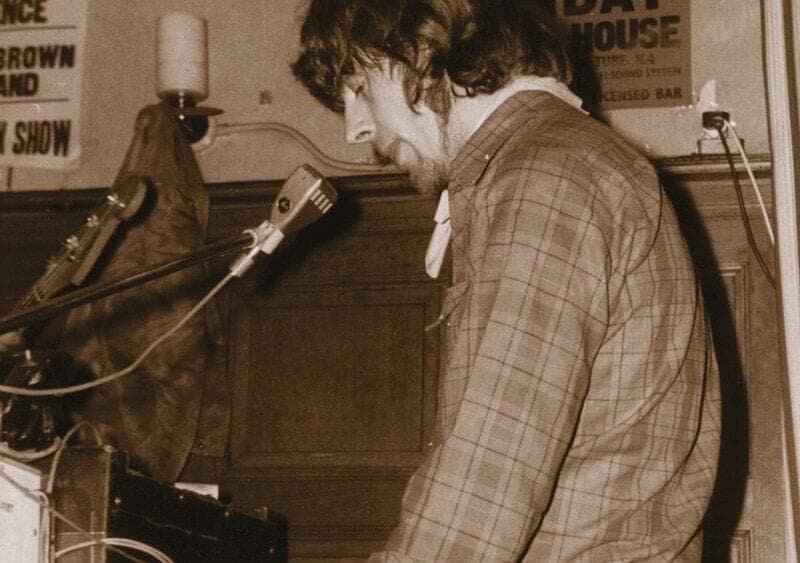
"I was blown away by the chemistry between Mick Fleetwood and John McVie."
"Hearing Peter Green at his peak is thrilling," Corne continues. "I think he belongs among the all-time greats. His playing on Double Trouble and San-Ho-Zay is incredible. It was also amazing to hear him play songs from the "Beano" record, like All Your Love. I love so many of his tracks. And it's funny, because I shared it with Walter Trout and he immediately texted saying, 'Why did you fade out Peter Green's solo?' And I said, 'I'd never do that – so I figured it out!' The tape must have run out and Tom was trying to swap in another one!"
By the summer of 1967, it was all over. Fleetwood, Green, and finally McVie jumped ship to form Fleetwood Mac. The Bluesbreakers slid seamlessly into another golden era with John Mayall's recruitment of Mick Taylor.
Mayall: "I've known about the tapes for several years now. Actually, Tom approached me a few years back to see if I'd be interested in buying them. Back then, I didn't have the money he was asking. Also, I had no idea about the quality. He gave me a little taste, a few bars of each song. But more recently, I checked it out again and got back in touch with Tom. By that point, he'd decided he wanted the world to hear these tapes. He didn't want to keep them to himself anymore. So we struck a good deal."
By the summer of 1967, it was all over.
Huissen: "At some point, you start thinking, 'Well, we need to sort this out now.' The deal only took five seconds. He wanted the tapes and I really wanted them to be officially part of his legacy. There are no other live recordings with John Mayall and Peter Green. And the music and the playing are so wonderful."
With five shows to choose from, it mostly fell to Mayall to pick material for two tracklists (a second live album will be available later this year). "John was so taken with the performances. But I also pieced the songs together, so we had a lot of back-and-forth. One thing about John is that, although he's very decisive, he's very reasonable. If you really make a strong case for why you think something's in the best interest of the project, he'll definitely listen. I'm happy with what we have. The only song I didn't get where I really wanted it was Tears In My Eyes. “
"I'm happy with what we have. The only song I didn't get where I really wanted it was Tears In My Eyes."
The much bigger task was sorting out Huissen's bootlegs for release. "This was 1967," the Dutchman says. "There were a lot of dropouts. Some things we managed to fix, but some weren't fixable. Tapes are tapes, you know?"
"You know, you've got to work with what you've got," Mayall shrugs off. "It was whatever came through the tape recorder's mic, which he held a few meters from the stage. That's the sound you get. So there's not much you can do about it, and I don't think you should."
"I think what everyone wants to hear is the performances," Corne picks up. "And I think, in the end, even though this album still sounds like a bootleg, to my ears it has a cool lo-fi charm of the '60s. I think this album is really alive to listen to."
"This album still sounds like a bootleg and to my ears it has a cool lo-fi charm of the '60s."
Maybe that's the point. In an age when albums buffed, polished and Pro Tooled to death politely stream off our iPods, Live In 1967 deals in shaky atmosphere, dragging the listener back into the climate of London's golden era. "I think the energy and the devotion to the blues is what you find on these tapes," John Mayall notes. "It might not be very sophisticated, but it's very raw and heartfelt. And it captures those old days. It was so long ago. It's a piece of history, isn't it?"
Corne nods: "It's really a historical document for British blues."
As the man who started the whole project, Huissen gets the last word. "If you listen to the CD," he considers, "sure, it's not 24-bit Hi-Fi sound. But what you're hearing is exactly how it sounded at The Marquee, The Manor House and Klooks Kleek. People tell me, 'Oh, I wish I'd been there.' Well, with this album, in a way, you are. I was 16 then. I'm 65 now. But when I listen to this music, I see myself standing in those clubs again…"
What happened next?
By the summer of '67, Mayall's lineup went on to become Fleetwood Mac. Here's how the key players remember the Bluesbreakers' split…
Mick Fleetwood
"The nicest way to put it is that John Mayall 'let me go' from the Bluesbreakers. Me and John McVie were wild in that band. I realized we were getting too loose and one of us had to leave. But my thoughts about John Mayall are that he should be hailed as a mentor, who took so many players and showed them the way. He was then – and still is – a wonderful friend."
John Mayall
"Mick left first. Peter stayed a bit longer. John stayed until Fleetwood Mac was formed. So nothing ever happened at the same time. There was no bombshell. It was just time to move on."
Tom Huissen
"John McVie hesitated, because he had a steady job, and with John Mayall, he was guaranteed some gigs and income, so he wasn't quite sure whether he should leave or not. Peter didn't tell me he was going to leave, but I talked to him afterward. It was a decision he felt he had to make, he felt he really had to do his own blues."
Closing out this journey, we're certainly left with the taste of a great "What if". We'll never know whether the Bluesbreakers would have made it into the Hall of Fame of the greatest rock outfits. Or whether they could have done even bigger things had they stayed together. The only certainty is that they operated like a factory turning out great musicians. We'll surely remember their music, even though we wish they'd made a lot more of it.