


Cream: Talking About a Revolution
A look at the short but stellar career of Rock's first supergroup, Cream. The world's first supergroup, Cream existed for just two years in the late '60s. During their lifetime they only recorded two full studio albums.
By Dimitris (Bari) Polyzois
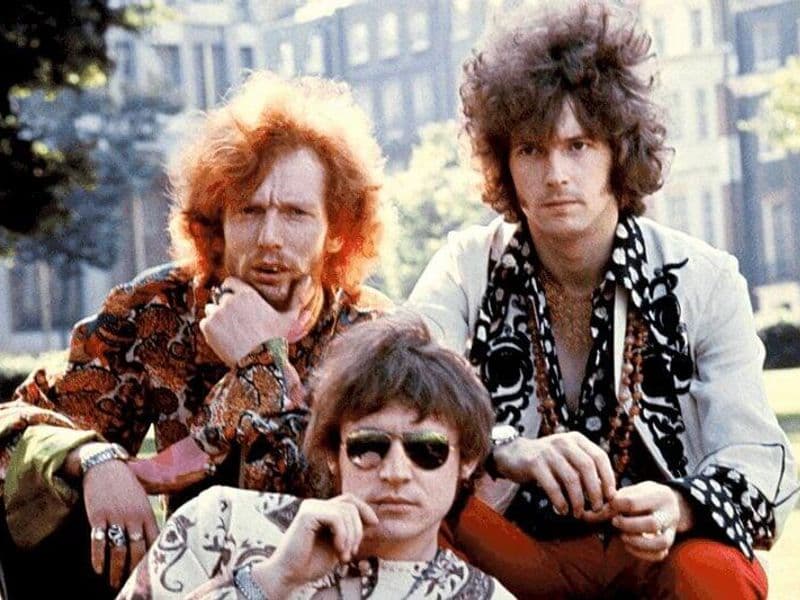
You won't find them appearing in any of those chart lists or on the TV show The Top 100 or any other show. Ask most people under 30 about the music of Cream and they'll think you're talking about the dance club in Liverpool.
Within a few days all the tickets for the Cream concert at London's Royal Albert Hall were gone. At £50 – £125 they weren't cheap to begin with. Within just a month, a quick search online would show you a seat in the front rows going for £1,700 and a limited box seat in the balcony for around £350. A box? Don't even ask.
The simple answer is that Cream pioneered a blend of rock, blues and jazz
So what is it about Cream that has middle-aged men ready to cash in their life insurance policies just to see them play? And this almost 40 years after their last performances as a trio.
The simple answer is that Cream pioneered a blend of rock, blues and jazz that directly influenced an entire generation of musicians and, as a result, the direction rock music took over the following decade. Their legacy continues to filter through. Dave Navarro of Jane's Addiction is one modern guitarist who's proud to cite Cream as a major influence.
Many musicians of our generation have been influenced by Cream
Before drummer Ginger Baker, bassist Jack Bruce and guitarist Eric Clapton formed Cream in 1966, most British pop music revolved around the melodiousness of the chorus. Any instrumental solo was generally limited to repeating the melody. Cream changed all that.
For example, they took Willie Dixon's two-note riff and stretched it from two and a half minutes to six and a half. They exaggerated it and improvised, crafting a beautiful game of it. This wasn't a new idea — it had largely been confined to jazz, a style that by the mid-'60s, as Frank Zappa put it, "wasn't dead, it just smelled kind of funny."
Any instrumental solo was generally limited to repeating the melody. Cream changed all that.
The dynamic that Cream pushed forward depended on the jazz influences of Baker and Bruce and Clapton's blues roots. Clapton didn't have the musical knowledge and technique that Baker and Bruce had. But he had a God-given gift that allowed the band to justify their bold name.
"I was full of very big ideas about what I felt we could do," explains Jack Bruce. "It was a kind of rewriting of the blues, if you like. It sounds arrogant. I felt we had the potential to form a new kind of language with this band."
On stage the chemistry of Cream was striking. "It was like someone else had taken the reins," explains Baker. "Nobody knew the game. They were listening to this fantastic sound they were part of. And quite simply... it was happening. It was a gift, and the three of us had it in abundance."
Clapton was more succinct. He called it "blues, ancient and modern."
Clapton called it "blues, ancient and modern"
Most importantly, Cream proved there was an audience for their music. Their first album, Fresh Cream, was released in late 1966. It reached the Top 10 in the UK and spent four months at the top of the chart.
The next batch of musicians who formed bands after Cream, like The Rolling Stones, The Animals, The Who and the Spencer Davis Group, now had a new direction to follow. In the spring of 1967, the Jimi Hendrix Experience arrived with their debut album 'Are You Experienced?'. That was the wind of change that turned into a storm.
Within a year, blues groups like Ten Years After, Fleetwood Mac, the Jeff Beck Group and Chicken Shack would reap the benefit. Further along, followers of Traffic, Jethro Tull, The Nice and King Crimson began making a notable path.
Cream simply blew away all the performers. They really were that good.
The same thing happened in America when Cream started touring there in the autumn of 1967. West Coast audiences had already been filled by the split-jam psychedelic musical crusaders like The Grateful Dead, Jefferson Airplane, Janis Joplin and Quicksilver Messenger Service. Cream simply blew away all the performers. They really were that good.
It's no surprise that Cream turned their attention to the States. They recorded their second album at Atlantic Records' studios in New York. But label boss Ahmet Ertegun thought he was looking at a British blues band to rival American acts like Big Brother & The Holding Company or the Paul Butterfield Blues Band. Cream's new material was impressive. He was particularly excited about a song called Sunshine Of Your Love.
"I remember playing it for Ahmet, and he called it 'psychedelic hogwash,'" laughed Bruce. "Luckily there were other people present at the studio where Cream were recording. Artists like Booker T Jones and Otis Redding said, 'This is good.' They treated that riff as something that was musically interesting and commercial at the same time."
They treated that riff as something that was musically interesting and commercial at the same time
Sunshine Of Your Love was Cream's breakthrough in the US. It was their best single there. It reached No.5 and remains their best-known song. Ertegun, wisely realizing he was out of his depth when it came to the commercial potential of "psychedelic hogwash," brought in someone else to help shape the band's sound. With producer Tom Dowd, Cream's second album, Disraeli Gears, achieved the desired result.
Pappalardi – who would later team up with Leslie West and Corky Laing to form Mountain [best described as a Cream tribute band] – took one of the few pretty rhythms Cream had recorded, Hey Lawdy Mama, and turned it into the surreal Strange Brew.
Pappalardi also got Clapton to use effects. In fact, new guitar gizmos like the wah-wah pedal had just come into fashion. But Cream didn't pay much attention to Britain. They embarked on a series of groundbreaking tours in America. They showed that covering the US is a long, grueling job. But when you stick with it, the rewards are huge.
They embarked on a series of groundbreaking tours in America
America also proved to be Cream's downfall. The endless touring was also the spark that lit the fuse on the shaky relationship between Ginger Baker and Jack Bruce. The relentless touring of America didn't do much for the band's playing. The intensity of their live shows proved impossible to sustain, with or without artificial stimulants. And without inspiration, the sounds became tiresome.
What made it worse was that the audience didn't know the difference and often didn't care. Cream could stand on stage and the audience would go wild. What they were actually playing, though, seemed beside the point.
One night Cream went on stage in the middle of some random tuning-up and got an instant ovation. On another night they effectively played an instrumental set when the vocal mics failed, and still got wild applause. They got the same response on another night when Clapton's guitar sound cut out and the audience listened to the set played by bass and drums.
Cream's third album, Wheels Of Fire, was recorded in the short gaps between tours and, despite Pappalardi's best efforts, struggled to recapture the spontaneous ease of Disraeli Gears. What carried Wheels Of Fire was a second, live record made up of four tracks showcasing Cream's individual and collective virtuosity.
One night Cream went on stage in the middle of some random tuning-up and got an instant ovation
The album confirmed that Cream were a standout band both in the studio and live. It also confirmed that Cream were now superstars in America. Wheels Of Fire spent five weeks at No. 1, and became the first double album to go platinum in the US. But even before it was released, the band had announced they were splitting up.
"We were touring Texas when Eric came up and said, 'I've had enough,'" according to Baker. "I said, 'Yeah, man, me too.'"
But they weren't allowed to leave America before a lucrative farewell tour there, the making of the Goodbye album, as well as the rights to material for a few posthumous live albums that let the label keep milking Cream.
Bruce went into a solo career, starting off with some excellent songs. Clapton hooked up with Steve Winwood from Traffic to form another supergroup, Blind Faith, only to find Baker sitting behind the drum kit when he got there. Despite the group's best intentions, Blind Faith were a mismatch. Almost inevitably, they folded after their debut free concert in Hyde Park and just one album and one tour.
"We were touring Texas when Eric came up and said, 'I've had enough,'" according to Baker. "I said, 'Yeah, man, me too.'"
Given their achievements, then, Cream are held in such high regard and placed at the same pinnacle of rock history as, say, Jimi Hendrix. One reason for that is... Hendrix. He arrived in Britain right when Cream released their first album. In fact, one of his first appearances had him joining the band on stage at Central London Polytechnic.
But as electrifying as the Jimi Hendrix Experience were, they didn't have the collective brilliance of Cream. Still, Hendrix had a sense of spirituality and showmanship that Cream didn't have.
Clapton didn't drop to his knees and didn't throw his guitar into the crowd. He didn't stick his tongue out suggestively at young ladies, nor did he play ten-minute guitar solos. On stage, Cream were largely static, standing in front of huge rows of Marshall amps, always focused on their music.
Clapton didn't drop to his knees and didn't throw his guitar into the crowd.
Hendrix also scored several hits that secured a flashy profile. Cream had two top 20 singles. They sold plenty of albums, which of course were far more profitable, but it meant their TV appearances ended up on late-night BBC2 shows.
And after the summer of 1967 they focused on America, playing only a handful of British shows before their farewell concert at London's Royal Albert Hall. Cream didn't play any of the legendary festivals [their managers turned down Monterey without even telling them]. They focused on putting on their own shows. That made financial sense too, but it limited the band's profile.
And apart from their farewell concert, there's almost nothing of Cream on film, except for a specially filmed show at an empty Speakeasy Club that keeps getting rerun over and over.
Cream's managers turned down Monterey without even telling them.
However, there's no shortage of Hendrix DVDs. At the time, of course, Cream didn't need to worry about their profile. Their shows were sold out from start to finish. And in America their albums sold in huge quantities.
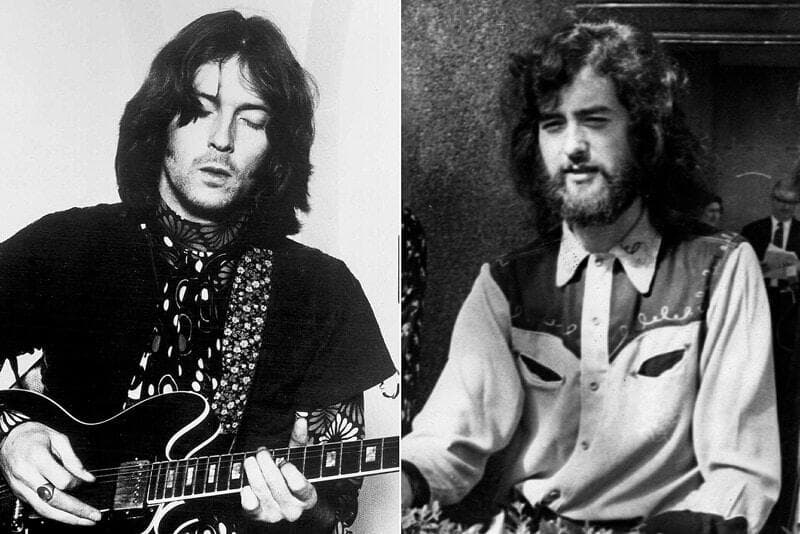
"I think we were one of the first heavy metal bands without even knowing it," said Eric Clapton. "After we broke up, Led Zeppelin filled the gap."
He's not wrong. Jimmy Page and manager Peter Grant followed Cream's progress in America very closely, learning plenty of lessons which they would then refine. Baker was a recognized influence on John Bonham, and like Bruce, John Paul Jones had a broad musical talent. In the end, you can argue about whether Clapton or Page is the greatest British guitarist until the song on the jukebox finally ends while you're nursing your beer at the bar. The reality is that both left their own mark on music.
Led Zeppelin recorded their first album just one month before Cream played their farewell concert at London's Royal Albert Hall in November 1968. Jimmy Page stated he intended Zeppelin to be "a marriage of blues, hard rock and acoustic music with heavy chorus parts."