

Glastonbury 2021 Festival Cancelled
Covid cancels Europe's top music festival for the second time, the Glastonbury 2021 festival. For the second year running, the Glastonbury 2021 Festival has been cancelled due to the ongoing Covid pandemic.
By Dimitris (Bari) Polyzois
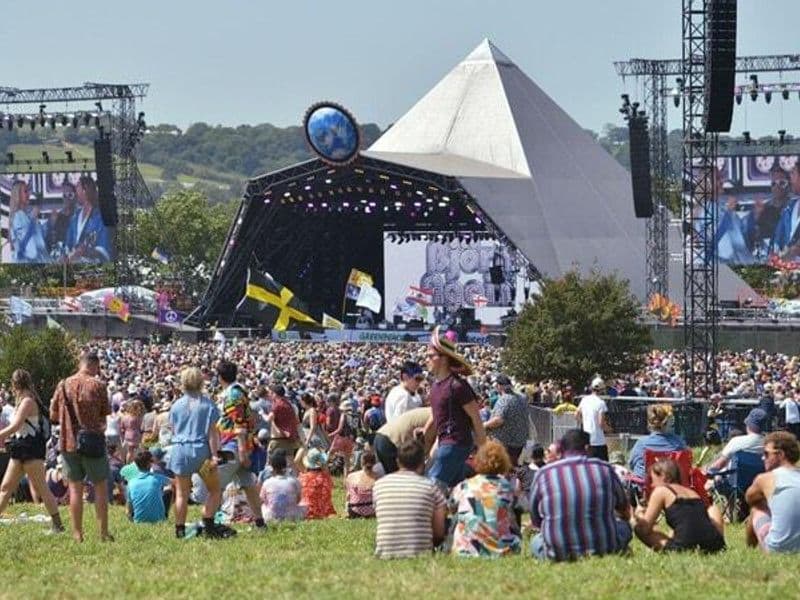
This was confirmed by the festival organisers via its official Twitter account.
"With great sadness, we have to announce that this year's Glastonbury 2021 Festival will not be taking place." That was the terse announcement on the Worthy Farm Twitter account.
"Unfortunately, it looks like it will be another enforced year off for us. Tickets for this year will be carried over to next year."
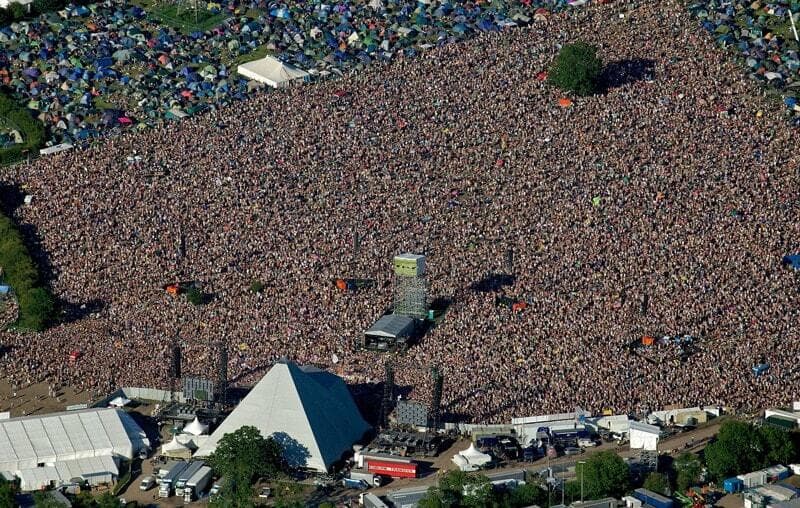
Tickets for this year will be carried over to next year.
Paul McCartney had been announced as a performer at last year's edition, marking the festival's 50th anniversary. Just last month, festival head Emily Eavis was unable to confirm that the festival would definitely go ahead this year.
"We're doing everything we can to plan and prepare," she told the BBC in December. "However, I think we're still a long way from being sure that the Glastonbury 2021 festival will go ahead."
Now, any lingering hope that this summer might see a return to Glasto business has well and truly run dry.
The history of the festival
The Glastonbury Festival (officially the Glastonbury Festival of Contemporary Performing Arts) is a five-day festival of contemporary performing arts held in Pilton, Somerset, England. Alongside contemporary music, the festival hosts dance, comedy, theatre, circus, cabaret and other arts. Top pop and rock artists have headlined, alongside thousands of others who perform on smaller stages. Films and albums recorded at Glastonbury have been released, and the festival receives extensive coverage from television and newspapers. The majority of the staff are volunteers, helping the festival raise millions of pounds for charitable organisations.
It's regarded as a landmark event in British culture. The festival is inspired by the ethos of the hippie and free festival movements. It retains remnants of those traditions, such as the Green Fields area, which includes sections known as Green Futures and Healing Fields. After the 1970s, the festival was held almost every year and kept growing in size, with attendance numbers sometimes swelled by gatecrashers. Michael Eavis hosted the first festival, then called the Pilton Festival, after seeing an open-air Led Zeppelin concert at the 1970 Bath Festival of Blues and Progressive Music. The festival's record crowd is 300,000 people, at the 1994 festival.
See the announcement from the festival's official page.