



Review: Hell is Round the Corner by Tricky
The troubled childhood of Bristol rapper Tricky sits at the heart of this striking memoir charting his progress from petty criminal to trip-hop pioneer.
By Dimitris (Bari) Polyzois
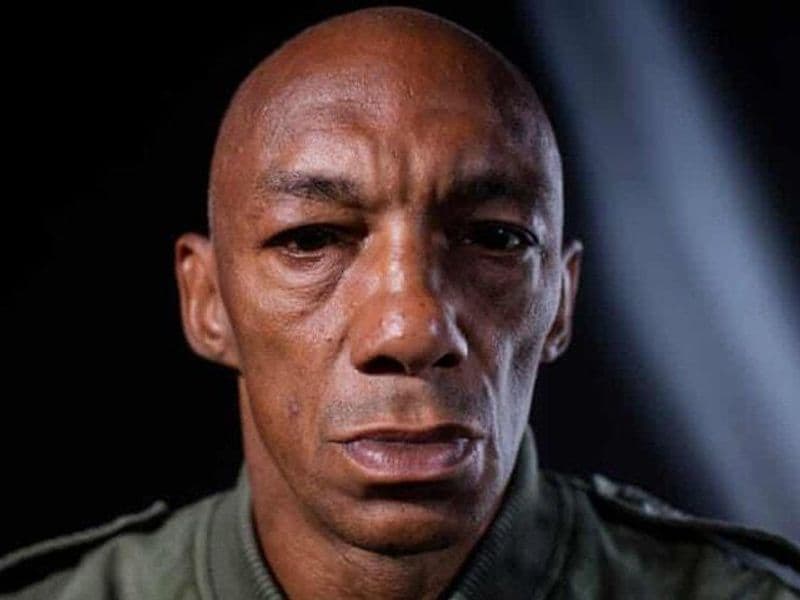
It's been almost 25 years since Tricky stopped pop music dead in its tracks with Maxinquaye, a debut album of stunning originality and claustrophobic intensity. It took its name, mind you, from his dead mother, Maxine. Her presence hovers over this autobiography from the first image to the last. It opens with Tricky's earliest memory, a bewildered four-year-old peering into her coffin — she'd just been killed. It closes with a harrowing echo of the death of his 24-year-old daughter, Mazy.
Between those two events, family is never far away
Most pop memoirs skim over childhood on their way to the glory years. Hell Is Round the Corner, though, puts the spotlight on Tricky's sprawling clan. A ragbag of grandparents, half-siblings, second cousins and terrifying uncles. At the centre of it all, Knowle West. A 1930s Bristol council estate, notorious for crime and violence.
Tricky describes it as a "white ghetto," though his own family covered every shade of skin. Young Tricky — plain old Adrian Thaws until fame arrived — found himself hemmed in by relatives, beaten by his grandfather and shaped by gangster uncles. One uncle, blaming his sister's husband for her suicide, couldn't "sort out" Tricky's father from the seven-year stretch he was serving at Dartmoor.
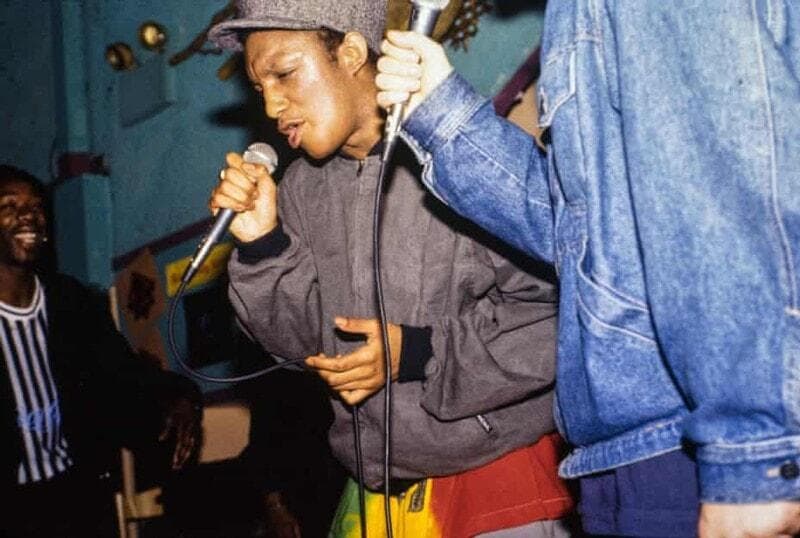
Knowle West was the prison where "deep down you knew you'd end up"
Still, a two-month stint at 17 for passing counterfeit banknotes proved effectively deterrent for Tricky. His teenage years with his best mate Whitley have a pick-pocket, Dickensian quality. The pair thieve, hustle and dodge the streets through pubs, clubs and "blues dances". Eventually he made his escape to find "absolute freedom" among the London squats of the 1980s.
Musically, Tricky is a child of 2 Tone and sound systems. The Specials were a landmark ("I realised I could be a musician, because they were like me"), while sound-system MC-talk-over provided another blueprint.
Again, unlike most pop memoirs, Hell... isn't ghost-written.
For the most part, it speaks in a roundabout way. There's also a fair bit of the great performer, though it was music journalist Andrew Perry who did the interviewing. He filled in what's been lost amid the endless clouds of ganja smoke. Vagueness and physical absence were always part of his arsenal.
"Where's Tricky" became a mantra among Bristol's live music scene in the late '80s. There, where cutting-edge rock, art school and reggae collided and Tricky joined Massive Attack. He was set to deliver his game-changing debut, Blue Lines. Daydreaming, the album's first single, was Tricky's creation, but he baulked at success. Showing up on time for a gig or a recording session was simply "a proper job."
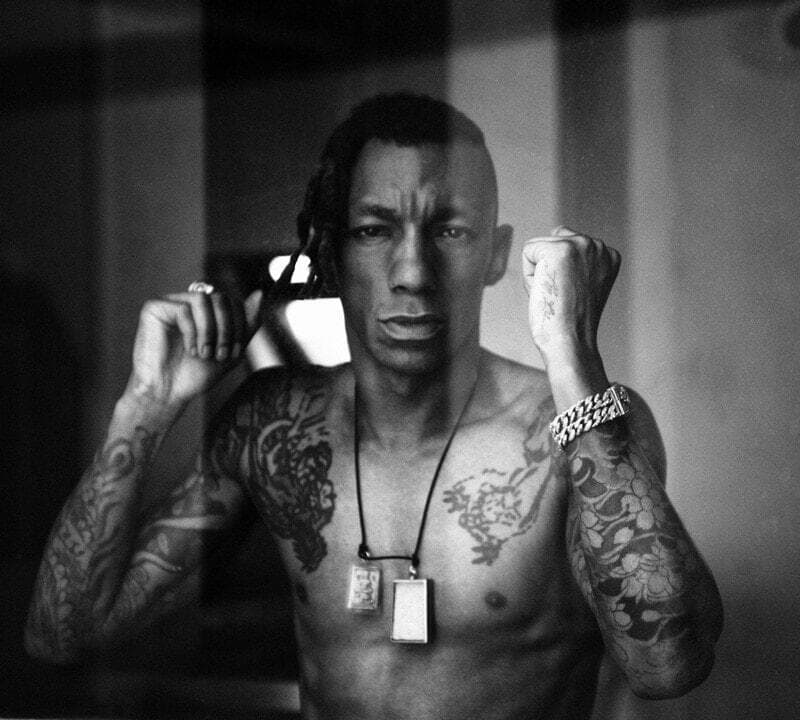
Tricky's moment in the sun arrived with Maxinquaye
There, he'd soaked up hip-hop into his musical vocabulary. But where hip-hop rappers boasted and hustled, Tricky stayed in the shadows. He set his dark voice against the rising voice of Martina Topley-Bird. Romantic and inventive.
The arrival of their daughter, Mazy, gave Tricky a new role, that of devoted father. He embraced it even after splitting with Topley-Bird and moving to New York. (More recently he discovered he has another daughter, Maria, with whom he's now in touch.)
Thrilling and innovative, assembled largely on Tricky's Akai S1000 sampler. Maxinquaye made Tricky an international star (Bowie was a particular admirer). Together with Massive's Protection and Portishead's Dummy, it fuelled all the talk of the "Bristol sound" and trip-hop.
Even greater was the contempt of Britpop. Maxinquaye was branded the sound of Brand New You're Retro. One thorny cameo from the 1996 Brit Awards finds Tricky and Shaun Ryder watching the gongs go to the wrong people. Where were theirs? The trouble was, as they realised, that "we were a mess... our demons showed."
Tricky always wore his demons on his sleeve
Quite literally, once he'd got himself a hand covered in yakuza tattoos, his performances were usually delivered in near or total darkness. Along the way there was a whirlwind affair with Björk and plenty of money made and squandered. He mentions earning $90,000 a day from remixing for Yoko Ono and Stevie Wonder. It ends, inevitably, in a huge debt only recently paid off.
"Because I didn't come from money, I didn't know how to manage it," he says. There were also some near-death experiences brought on by severe asthma attacks and unspecified mental health issues. He also blames the hydroponic skunk that's replaced the Jamaican sinsemilla he grew up with.
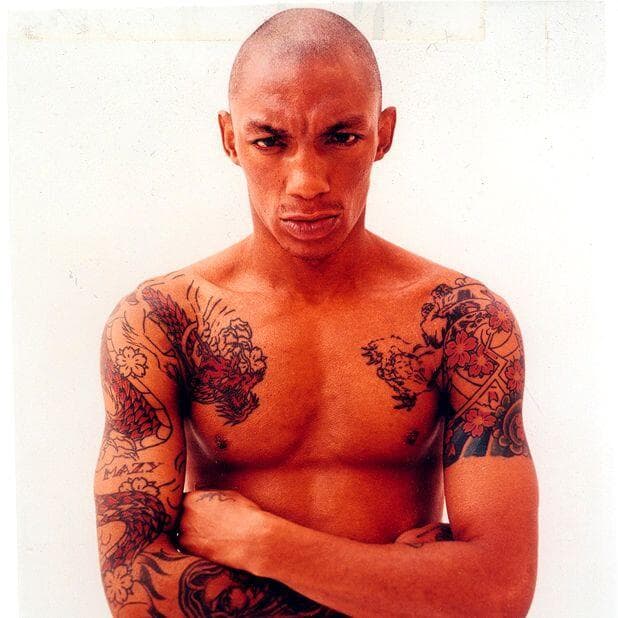
Though scarred by tragedy and fuelled by the violence and abuse of his early life, Hell Is Round the Corner proves a striking read. The testimony of a wild, funny and seemingly unbreakable spirit.
Tricky's Hell Is Round the Corner is published by Blink (£20). To order a copy, go here.