



The Story of Bee Gees Through Their Documentary
The story behind the new Bee Gees documentary. "Saturday Night Fever" changed their lives forever.
By Dimitris (Bari) Polyzois
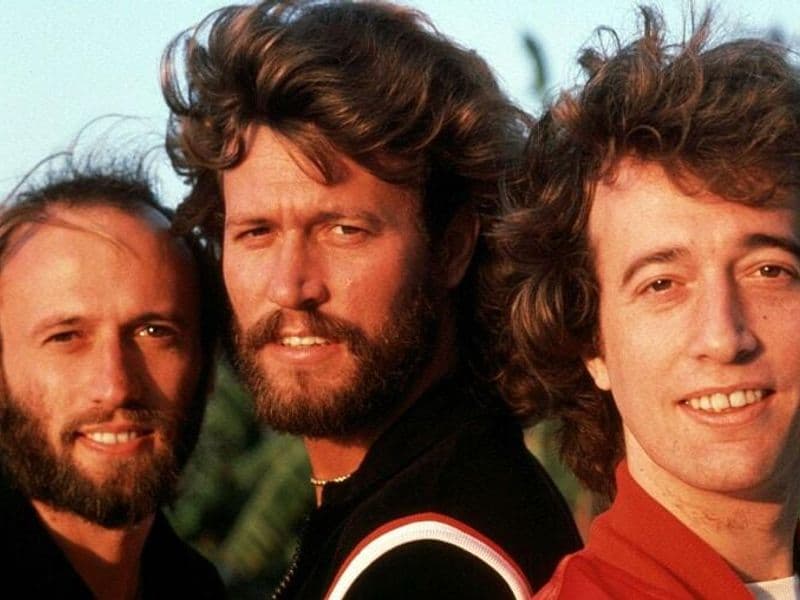
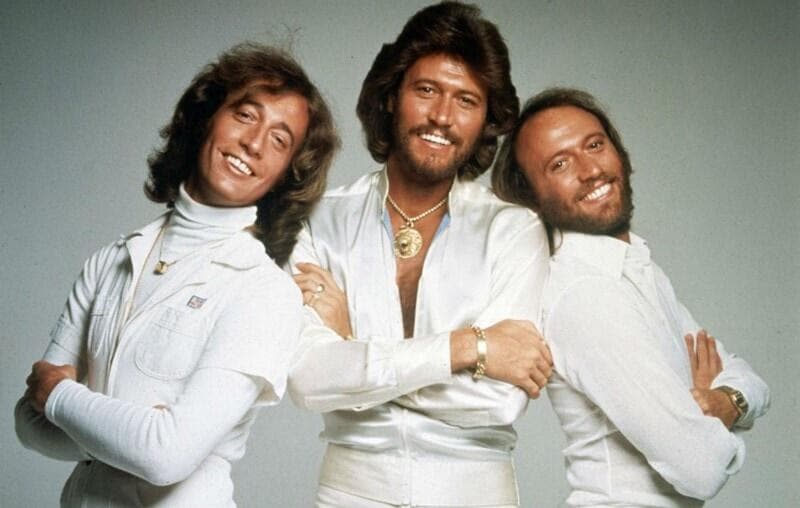
In the new documentary, How Can You Mend a Broken Heart, famous director and producer Frank Marshall tells the extraordinary story of the Bee Gees' lives. How three brothers from Manchester sold over 220 million records worldwide. How they wrote one of the greatest movie soundtracks of all time, titled Saturday Night Fever.
The documentary starts by capturing the Gibb brothers' success from their early '60s hits all the way to the stratospheric success of their R&B era in the '70s. It then takes an honest look at the brothers behind the scenes, through the highs and lows of a 60-year career.
It's produced by Nigel Sinclair (Eight Days A Week). The documentary features demos that have never been heard before (including one that captures the creation of "How Deep Is Your Love"). It also includes new interviews with Barry Gibb and rare footage of Maurice (who died in 2003) and Robin (who died in 2012). With input from Noel Gallagher, Coldplay's Chris Martin, Justin Timberlake, Mark Ronson and others, this is a must-watch music documentary for 2020.
The idea for the documentary
The making of the project is down to the will of Frank Marshall and Steve Barnett. Both diehard Bee Gees fans. Given that Capitol Records recently bought the rights to the Bee Gees, the spark became a fire. So Frank Marshall, teaming up with the producer of the Beatles documentary, set off on this journey.
Having grown up in a decade where music reigned supreme, it was only natural for them to worship the Bee Gees. The success of Saturday Night Fever was so massive it reshaped all of music.
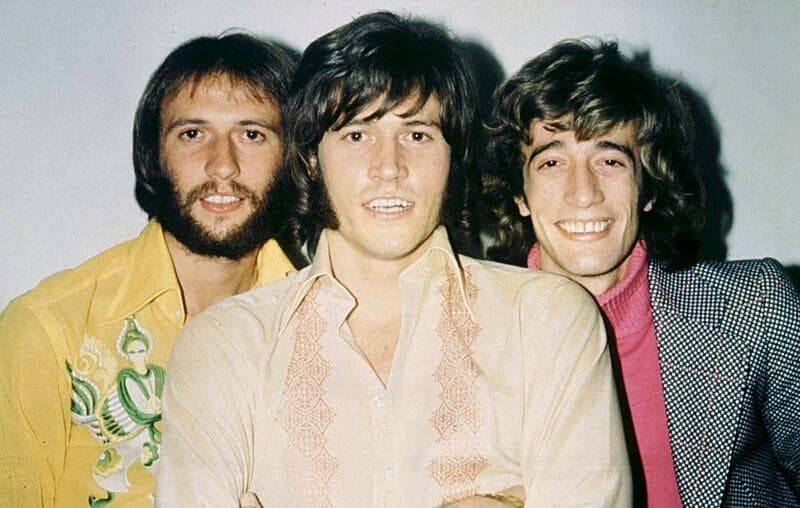
'Jive Talking' was the band's springboard
The idea was to send the track to radio stations anonymously, because otherwise nobody would have played it. The prejudice of radio stations brought about this solution. However, by the first day of release, calls from stations kept piling up. Everyone wanted to know who this mysterious band was!
We also see the Bee Gees' journey to Miami. There were some wonderful moments in it. It was really useful to drop them into this little oasis and get them working again.
The birth of 'Saturday Night Fever'
The legendary track was recorded at Château d'Hérouville in France.
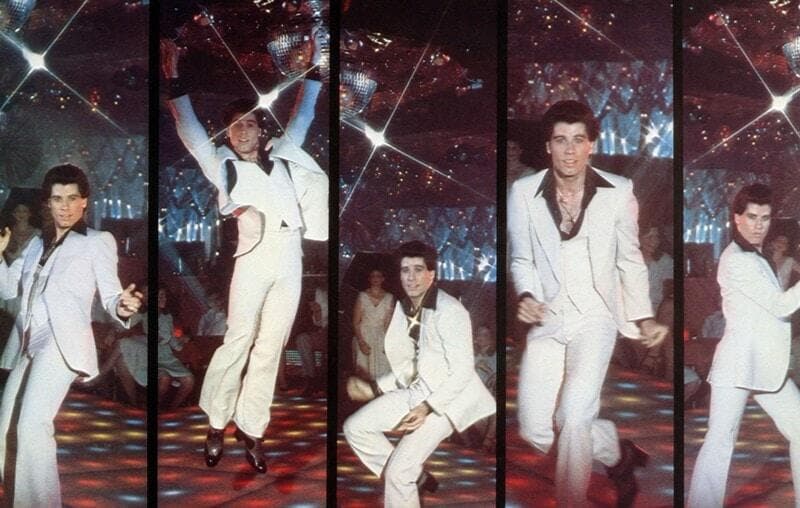
The film's producers had intended to use Boz Scaggs' song "Lowdown" for the rehearsal scene. However, Columbia Records refused to grant legal clearance for it, as they wanted to push ahead with another disco film project, which never actually got made. Composer David Shire then had to write a song to match the dance moves already shown in the scene and eliminate the need for future legal headaches. However, that track doesn't appear on the film's soundtrack.
The Bee Gees' involvement in the film didn't start until production was already underway. As John Travolta claimed, "The Bee Gees weren't even part of the film at first… I was dancing to Stevie Wonder and Boz Scaggs."
The relationships between the Bee Gees
The Bee Gees' success through the film was massive. But the exhaustion of the whole endeavour caused cracks between the brothers. In one interview Barry said: "I'm working all the time." Then the other brothers said: "Sometimes he comes down to earth… and thinks it's thrilling. You can see on Barry's face how he's only just okay with being teased like that by his two brothers."
Legacy
The Bee Gees have sold over 120 million records worldwide (with estimates going as high as 220 million), making them among the best-selling artists of all time. They were inducted into the Rock and Roll Hall of Fame in 1997; the Bee Gees' Hall of Fame citation states: "Only Elvis Presley, the Beatles, Michael Jackson, Garth Brooks and Paul McCartney have outsold the Bee Gees."
The Bee Gees are the third most successful band in the history of the Billboard charts, after the Beatles and the Supremes.
After Maurice's sudden death in January 2003 at the age of 53, Barry and Robin retired the group's name after 45 years of activity. In 2009, Robin announced that he and Barry had agreed the Bee Gees would reform and perform again. Robin died in May 2012, at the age of 62, following health problems. So now, only Barry remains as the surviving member of the group.